
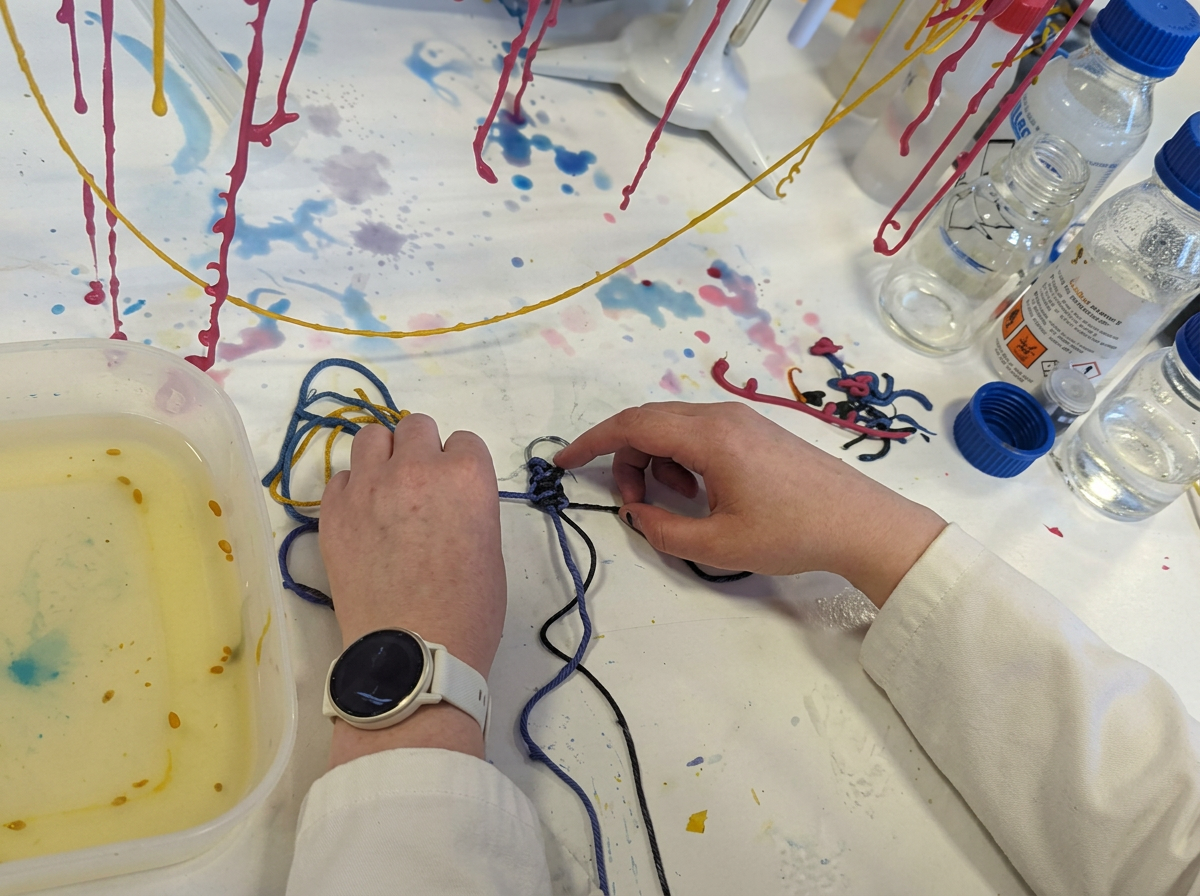
Join us for a hands-on workshop exploring sodium alginate fibres, a seaweed-derived material with exciting possibilities for bio-based textiles. We’ll introduce you to the properties of sodium alginate, explore how it behaves, and demonstrate how it can be transformed into fibre and yarn.
You’ll have the opportunity to discover how this bio-polymer can be used creatively. Alongside guidance and suggested projects, there will be plenty of free time to develop your own ideas and experiment with the medium.
We encourage you to bring a tool that could support your process; additionally, we will provide crochet hooks, knitting needles and macrame patterns to use and create with throughout the workshop.
Event details:
Date: 17 September 2026
Location: ASCUS Lab, Summerhall, Edinburgh
Time: 18:30 - 20:00
Ages: 16+
Tickets: £18 / £16 concession*
Concessions: Students, people on low incomes, unemployed people, pensioners, and disabled people *please use discount code CONCESSION26 at checkout.
What Are Sodium Alginate Fibres (Bio Yarn)?
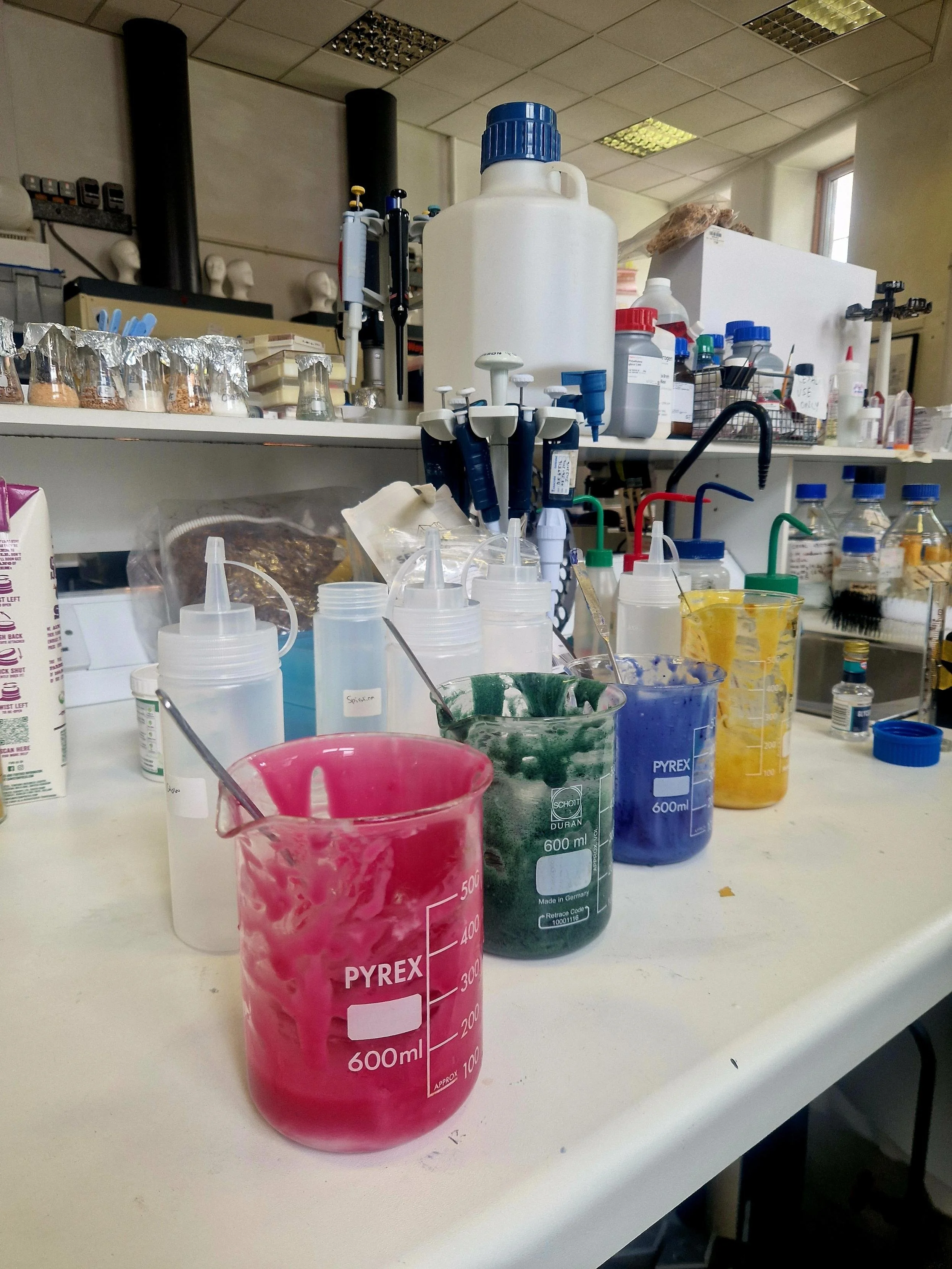
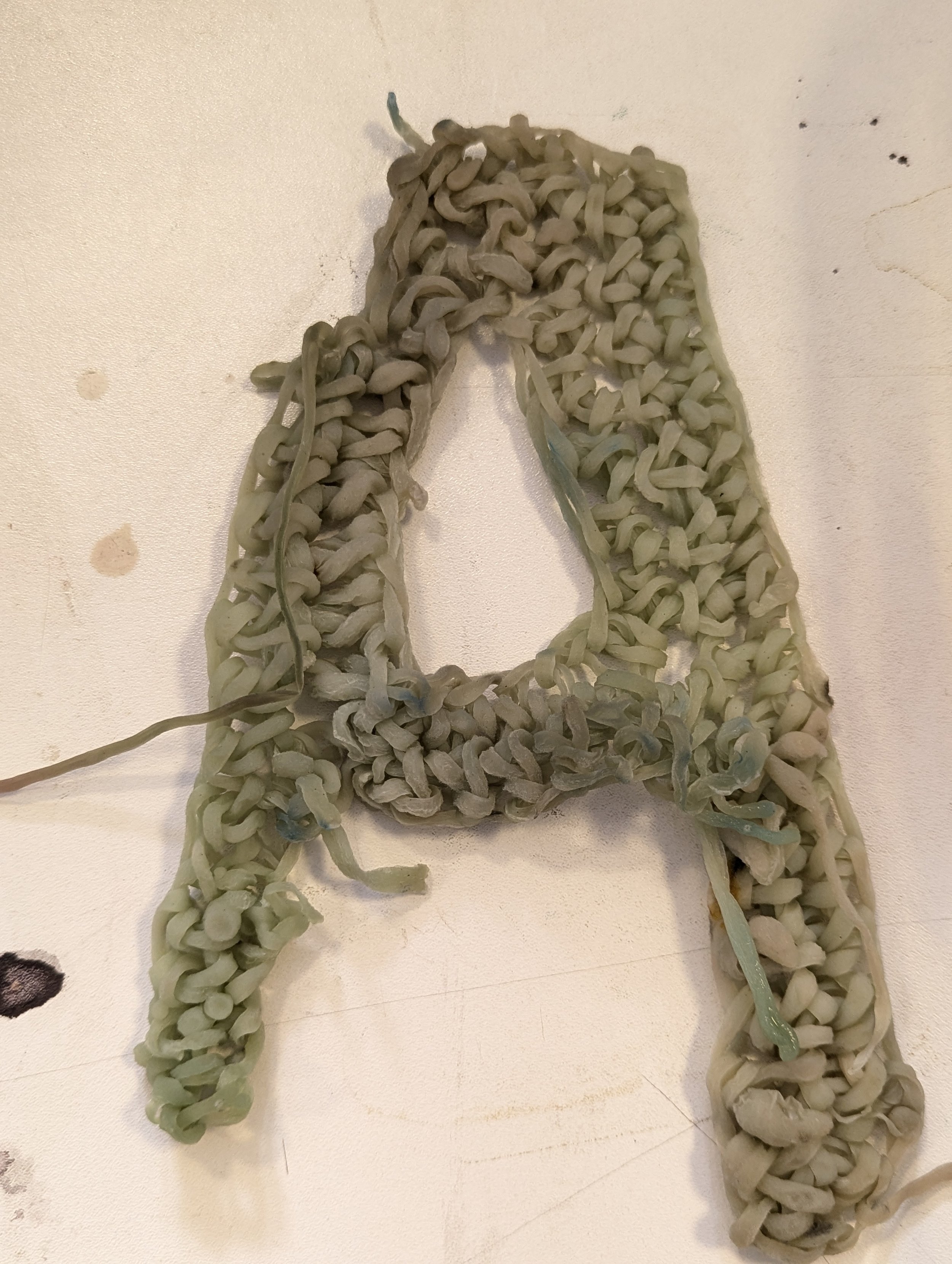
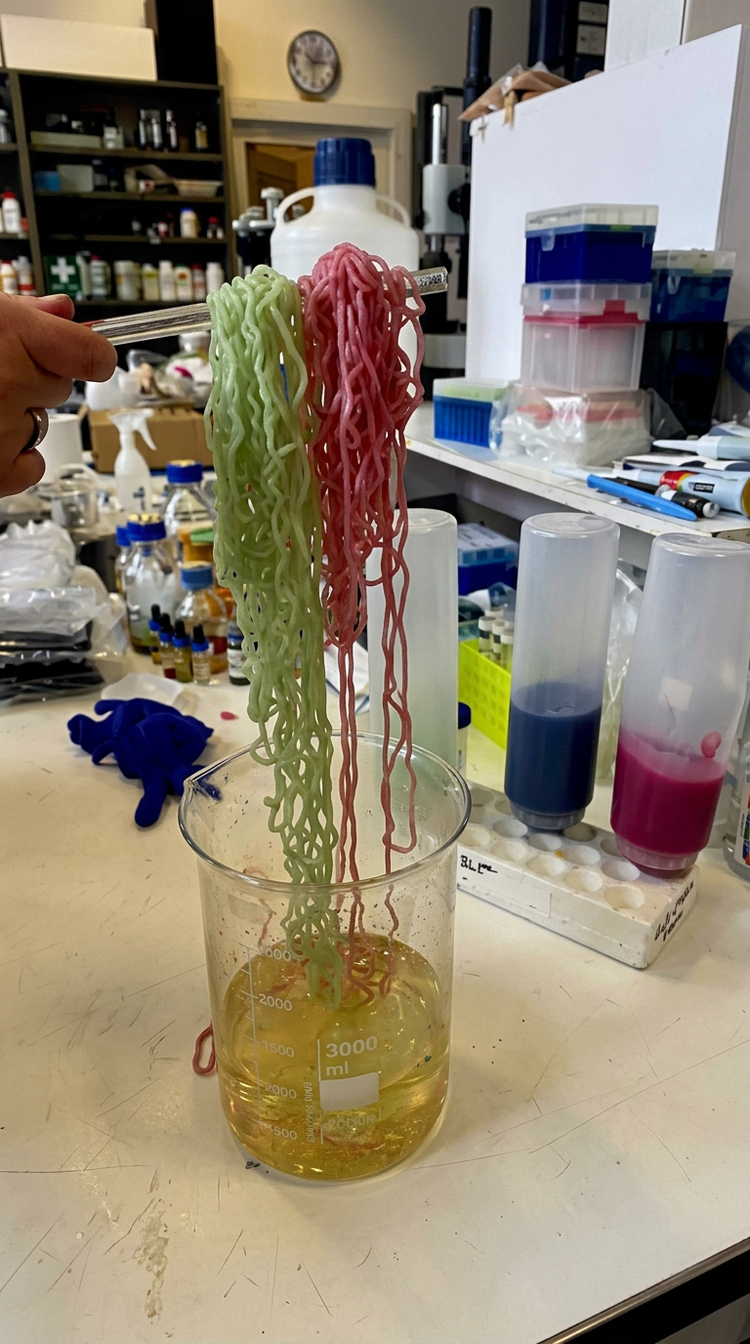
Sodium alginate fibres, sometimes referred to as bio yarn, are a seaweed-based textile material made from sodium alginate, a natural polymer extracted from brown seaweed. When combined with a calcium solution, the alginate forms a gel-like fibre that can be shaped, dried, and developed into yarn-like structures.
These fibres offer an alternative way of thinking about conventional textiles, providing an opportunity to explore how renewable, biological materials can be transformed into new forms of fibre, fabric, and design.
About the Workshop Facilitators
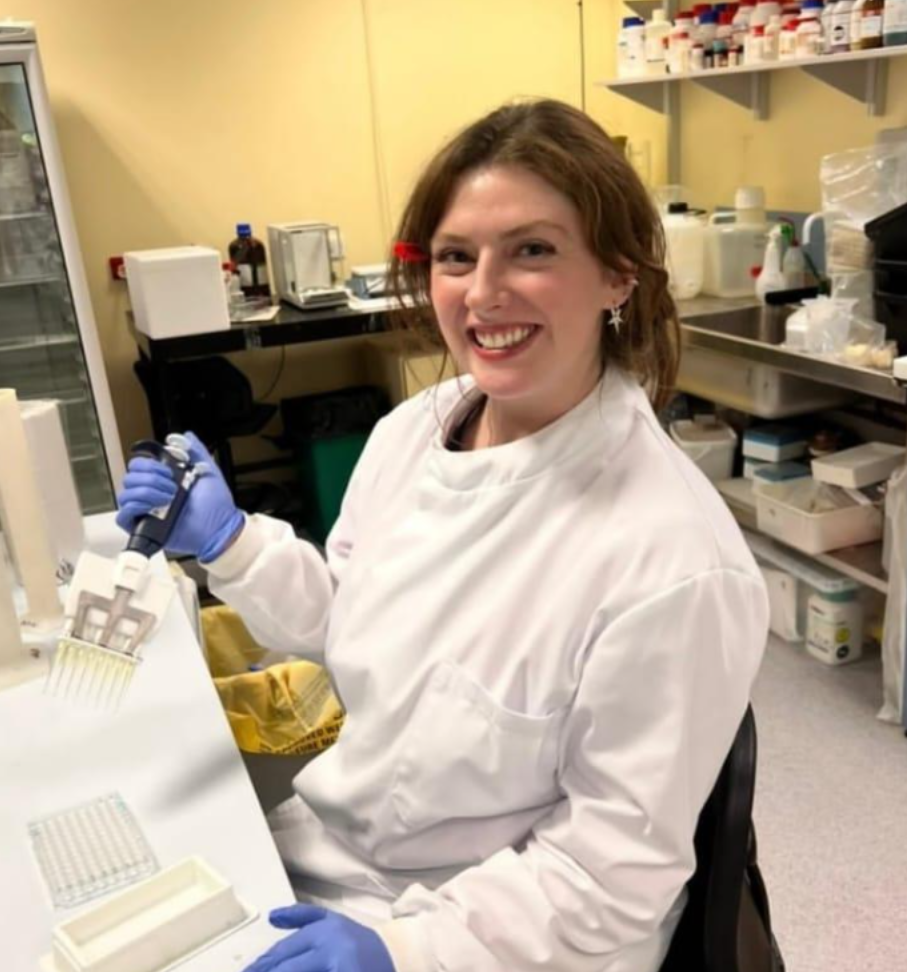
Emilee Benos
Emilee is a PhD student at the University of Edinburgh researching how parasitic worm infections can affect the way our immune system responds to other things, such as infections, vaccines, allergies and autoimmune diseases. Her research focuses on communities in Zimbabwe where these infections are common, exploring how repeated exposure and treatment can influence the immune system.
Alongside her research, Emilee loves painting, sewing, knitting, crocheting, collage and beadwork. She is passionate about bringing art and science together and exploring the creative connections between the two.
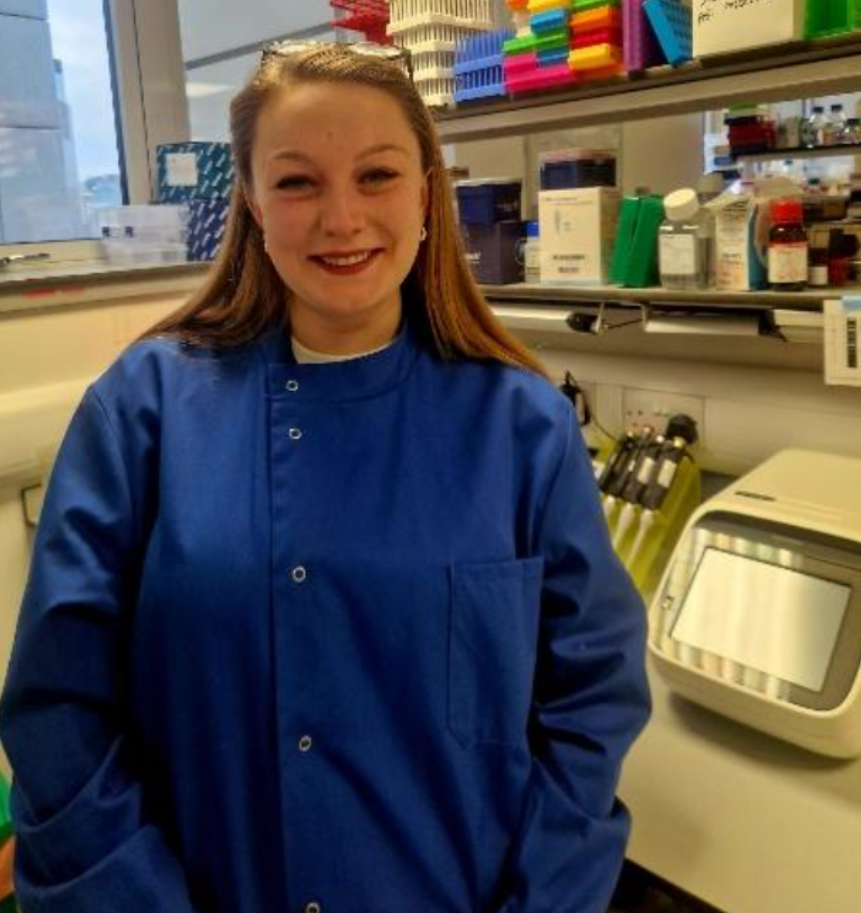
Charlotte Willoughby
Charlotte is a PhD student at the University of Edinburgh researching how being infected with malaria and parasitic worms at the same time can affect the health of the gut. Her research looks at how these infections interact in the body, and how they may affect gut health and the immune system.
Alongside her research, Charlotte enjoys a variety of crafts, including sewing, beaded embroidery and cyanotype printing. She particularly enjoys exploring the connections between science and art, and the shared skills and creative processes that bring the two together.